Embodied Cognition
The body does not simply represent identity; it actively influences how identity is perceived and interpreted.
Digital human study / 01
The same mind. Four bodies.
Different people.

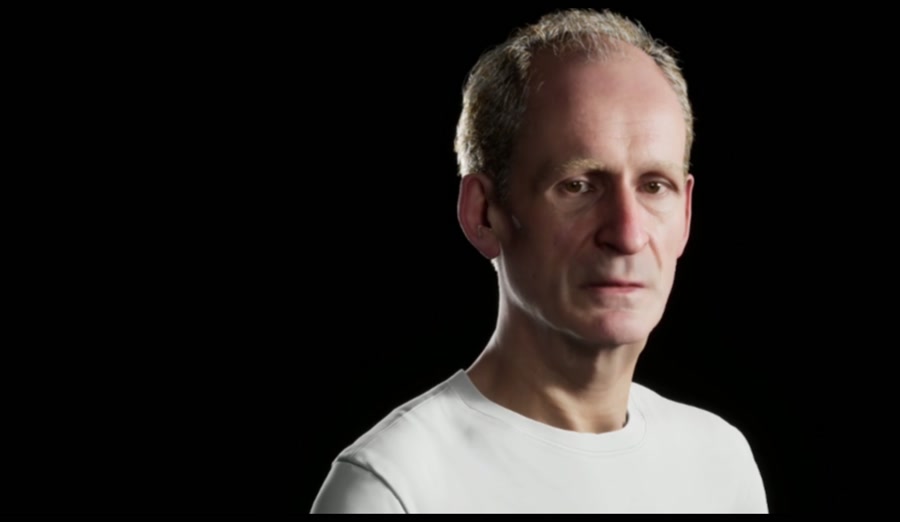
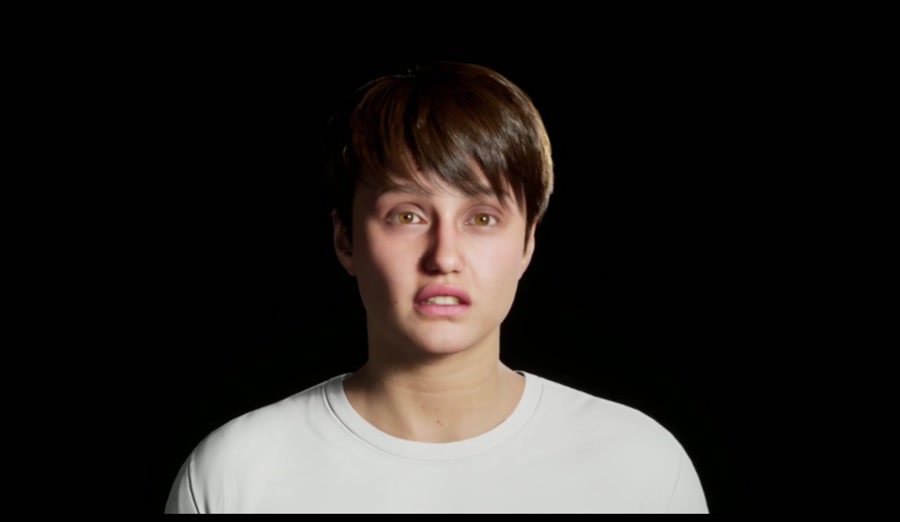
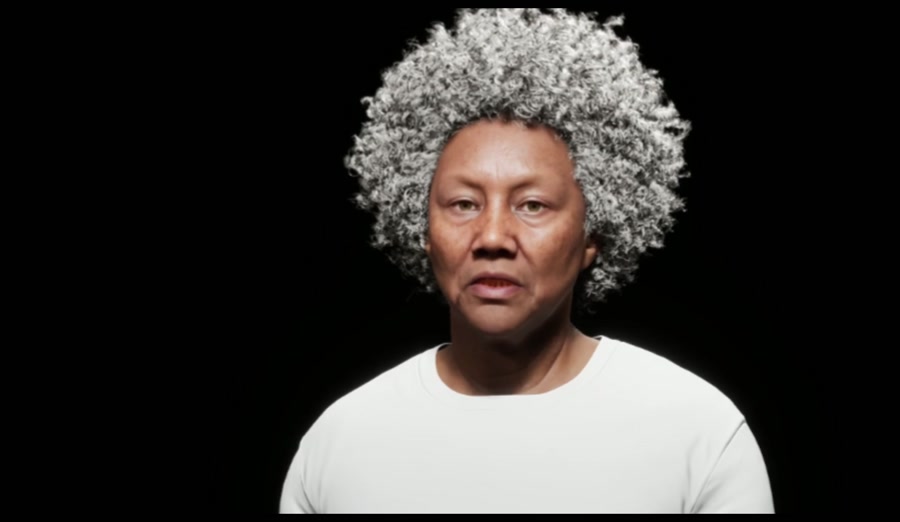
One intelligence. Four embodiments.
Same AI, Different Person is an interactive digital artwork exploring how artificial identity is constructed through digital embodiment and human perception.
Four MetaHuman characters share an identical AI system, personality, memory and conversational behaviour. The only changing element is their physical appearance.
Through encounters with these different embodiments, the project investigates how digital bodies influence the way audiences perceive identity, personality and social presence.
03:54 · sound on
The same artificial intelligence exists through four different bodies.
The mind remains the same.
The memories remain the same.
The personality remains the same.
Yet each encounter feels different.
Audiences may recognise four different individuals where only one artificial identity exists.
Is identity something we possess, something we perform, or something created through the perception of others? Experimental framework The project uses a controlled comparison approach. Each character shares the same AI system, personality, memory, conversational behaviour and environment. Digital embodiment is the only variable. The experiment examines how changes in physical appearance influence audience interpretation of the same artificial identity.
How is personal identity constructed?
Can the same artificial mind become a different person through a different body?
How much do audiences project onto digital humans?
How do age and gender influence first impressions?
When does an AI begin to feel like a person?
Can relationships with artificial beings be shaped by appearance alone?
The body does not simply represent identity; it actively influences how identity is perceived and interpreted.
Meaning emerges through the lived encounter between humans and artificial beings.
Identity is not a fixed quality, but something continuously formed through interaction and interpretation.
Identity is performed and understood through social encounters and external perception.
Digital humans exist between familiarity and artificiality, creating questions around realism, presence and emotional connection.
The project treats AI and digital humans as artistic materials for exploring identity, embodiment and human perception.
Its artistic approach combines digital character design, interactive storytelling, audience participation, artificial personhood and embodied performance.
The work is developed using Unreal Engine 5, MetaHuman Creator, the Convai LLM system, real-time facial animation and conversational AI.
Rather than using technology only to create a realistic human simulation, the project uses digital embodiment as a medium to question how artificial identities are formed.